
Six HSE Truths CEOs Can No Longer Ignore in 2026
Page Published Date:
January 11, 2026

Why safety, wellbeing & sustainability are now enterprise imperatives
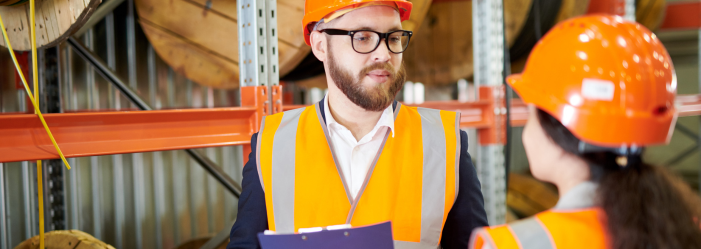
As we move into 2026, one truth stands above all others: workplace safety, wellbeing, and sustainability are no longer operational issues – they're enterprise imperatives.
Over the past year, I've had countless conversations with CEOs, board directors, and HSE leaders across Australian organisations. When it comes to Health, Safety & Environment, their focuses continue to evolve. They're no longer saying "We need to ensure compliance"; they're focused on the safety of their people, ensuring resilience of operations, and meeting ESG expectations and regulations. And increasingly, they're looking to their HSE leaders for solutions that go far beyond tick-box compliance.
The mandate is clear: lead decisively, anticipate risk, and embed resilience at scale.
Here are six truths emerging from those boardroom conversations.
1. AI and automation are reshaping operational risk
AI and automation have moved from pilot programs to operational staples. Executives tell us the efficiency gains are real, but so are the new safety hazards. Human-machine interactions, system errors, and operational tempos that can outpace human oversight are creating risk profiles that didn't exist two years ago. The challenge isn't just implementing the technology, it's in ensuring safety leaders are at the table when these systems are designed, not brought in after incidents occur. This requires a fundamentally different skill set than traditional safety management, and I'm seeing significant demand for professionals who understand both operational safety and technology integration.
2. Workforce resilience is now a boardroom issue
Mental health and psychosocial hazards have moved from compliance checkboxes to core business risk drivers. According to the Productivity Commission (2025), workplace mental health issues cost the Australian economy over $17 billion annually. But beyond the numbers, executives are telling us they see the direct impact; poor wellbeing affects productivity, retention, and operational performance in ways that show up in quarterly results. The organisations getting this right are embedding proactive wellbeing programs, monitoring psychosocial risk systematically, and implementing interventions that build genuine resilience. What's critical is that visibility and accountability sit at the executive level, rather than being delegated to 'wellness coordinators.' For HSE professionals, this means developing capabilities in psychological safety alongside physical safety.
3. Leadership capability gaps threaten safety culture
One of the most concerning trends is the capability gap at senior levels. Many organisations promoted leaders rapidly during growth cycles, and those leaders, while operationally competent, often lack confidence to prioritise safety, sustainability, or wellbeing alongside business outcomes, and to communicate cross-functionally. The risks are predictable: increased exposure to incidents, compliance breaches, and reputation damage. This isn't about sending people to training courses, it's about developing leaders who understand that safety performance and business performance are inseparable. For HSE candidates considering their next role, look for organisations that invest in leadership development and give safety professionals genuine influence at the executive table.
4. Demographic shifts demand human-centric adaptation
Australia's ageing workforce, combined with multi-generational teams, is creating new risk profiles that traditional safety approaches weren't designed for. Older employees face increased exposure to fatigue and musculoskeletal injury, while younger employees demand meaningful work and psychologically safe environments. The solution requires an equity rather than equality approach, with adaptive safety practices, flexible work design, and targeted wellbeing initiatives that address the needs of all abilities and age groups. For hiring managers, this means seeking HSE professionals who understand human factors engineering and inclusive design. For HSE leaders, it means developing skills in ergonomics, fatigue management, and psychosocial risk assessment – capabilities that are becoming non-negotiable in management roles.
5. ESG obligations expand the HSE mandate
Environmental, social, and governance (ESG) responsibilities now intersect with workplace safety in ways that fundamentally change HSE roles. Climate hazards, carbon management, and sustainability reporting aren't separate streams of work, they occupy shared operational risk. Research from the Australian Institute of Health & Safety (AIHS, 2025) shows that organisations integrating HSE and ESG strategies report 23% fewer compliance incidents. What we’re hearing from executives is that poor ESG performance carries measurable financial and reputational consequences they can't afford. For HSE professionals, this means integrating ESG considerations into safety strategy, compliance frameworks, and operational decision-making. Safety and sustainability are no longer parallel functions and the market is ripe for professionals who understand both.
6. HR-HSE collaboration is critical for enterprise resilience
This is perhaps the biggest shift for 2026: mental health, psychosocial risk, and employee wellbeing sit at the intersection of HR and HSE responsibilities. While HSE manages operational and psychological safety, HR manages workforce engagement, development, and retention. Organisations increasingly expect these functions to partner strategically, not just coordinate on compliance matters. The organisations succeeding here have established joint governance structures, co-designed wellbeing strategies, and measure outcomes collectively. This partnership ensures that safety, mental health, and engagement are addressed holistically, building genuine organisational resilience.
What this means for HSE leaders and professionals in 2026
The past year has made one thing abundantly clear: HSE, wellbeing, and sustainability now engage the C-Suite. Executives are looking to HSE leaders to anticipate risk, embed resilience, and align with enterprise strategy, not just manage compliance.
For HSE leaders, the challenges are leading AI integration with safety governance, embedding proactive mental health strategies, closing leadership capability gaps, adapting to demographic shifts, aligning ESG and safety objectives, and partnering strategically with HR to protect people, performance, and reputation.
For HSE professionals considering their next role, look for organisations where safety has genuine executive sponsorship, where HSE leaders have strategic influence, and where you'll be challenged to grow beyond traditional safety management.
The organisations that succeed in 2026 will not only protect their people; they'll enable performance, resilience, and sustainable growth. But success requires the right capability in the right roles.
How The Safe Step can help
Whether you're building your HSE team or advancing your HSE career, The Safe Step brings 25 years of deep HSE expertise to help you succeed.
For hiring managers and executive teams: We don't just fill roles—we understand your whole team, your culture, and your strategic challenges. Our extensive network of ready-to-work HSE professionals means faster time-to-hire when you need critical capability. We use psychometric testing to ensure cultural fit, provide salary benchmarking so you're competitive in the market, and bring insights from hundreds of HSE placements across every sector.
For HSE professionals: We're your career partner, not just a recruiter for this role. You'll get access to the hidden job market—roles before they're advertised publicly, often at the most strategic organisations. We provide interview preparation, help you position your experience effectively, offer market insights and salary benchmarking, and support your long-term career progression.